

What is a Face Serum?

Face serums offer benefits at every age – it’s never too early to strengthen your skin, and never too late to enhance its condition.
But with so many ingredients on the market, it’s important to choose the right face serum, and ensure it’s tailored to your skin’s unique needs and concerns.
So, what is a face serum – and what does it really do?
Read on as we explore what serum is used for, unpack the top benefits of face serums, and explain how to apply a face serum as part of your daily skincare regimen.
What is a face serum?
A face serum is a lightweight formula designed to deliver a high concentration of active ingredients directly to your skin. Think of it as the step that bridges cleansing and moisturising – giving your skin the targeted support it needs to look and feel its best.
Face serums tend to include ingredients like:
• Hyaluronic acid
• Niacinamide
• Glycolic acid
• Vitamin C
What does face serum do?
What serum does for your skin will largely depend on the skin concern you’re trying to target.
Face serums are known for effectively addressing specific concerns such as:
• Dryness and dehydration
• Blemishes and redness
• Fine lines and wrinkles
• Dark spots and pigmentation
• Uneven texture
• Enlarged pores
What serum should you use?
While some serums may work harmoniously for one skin type, some formulas may not be the best choice for another. To help you understand how face serum benefits you, then, we’ve curated our top product choices for common skin concerns below.
For dry skin: hydrating serums
Dry skin often struggles to hold onto moisture – it can feel tight after cleansing and look dull as the day goes on. The goal of face serum here is to draw in hydration and help the surface stay smooth and flexible. Hyaluronic acid does exactly that: attracting water to the skin and cushioning it with lasting moisture.
Our Advanced Génifique Serum builds on this effect. This face serum’s benefits include its lightweight concentrate that glides on easily, absorbing without residue. Inside, probiotic extracts and antioxidants such as vitamin C help reinforce the skin moisture barrier so it can retain hydration more effectively. Regular use can ease sensations of dryness and help skin appear softer, stronger, and more supple to the touch.
For dull, uneven skin: brightening serums
At Lancôme, we’re particularly fond of serums formulated with vitamin C. This well-known antioxidant helps defend the skin’s surface from unstable molecules, which are spawned by environmental aggressors such as pollution and sun exposure.
Our Clarifique face serums include vitamin C derivatives designed to visibly brighten and even out your skin tone. Better still, you can take advantage of the brightening role of vitamin C in skincare using our Clarifique Watery Emulsion, a face serum that works to reduce the appearance of discolouration and pigmentation.
For aging skin: anti-aging serums
As skin matures, you want face serums that support its natural renewal cycle. Retinol is one of the most studied ingredients for this – it helps old cells shed more efficiently so new ones can take their place. This softens the look of fine lines and keeps your skin feeling smoother. It’s a straightforward example of what a face serum does as it works in the background to keep your skin’s texture more consistent.
In each pump of our Rénergie C.R.X. Triple Serum Retinol, three active formulas come together just before they reach your skin: with retinol renewing, X-peptide reinforcing, and pure vitamin C to brighten. Each application feels fresh – a concentrated dose designed to help target aging skin concerns with continued use.
For blemish-prone skin: refining serums
Some of the biggest concerns for this skin type are enlarged pores, uneven patches, and the faint marks that linger after blemishes – all areas where a face serum benefits your routine by giving the skin more targeted support.
Our Clarifique Clarifying Serum targets these concerns with a blend of brightening and clarifying actives. Niacinamide and beech bud extract work to even skin tone and fade post-blemish marks, while 10% polyhydroxy acid (PHA) gently exfoliates the surface for skin that feels smoother to the touch.
To build on these face serum benefits, start with a cleanser that clears the way. Clarifique Cleansing Foam – infused with salicylic acid – helps sweep away buildup and tighten the appearance of pores, leaving skin prepared for what comes next.
4 face serum benefits
Serums are the cornerstone of radiant skin, and you can tap into a wealth of face serum benefits by choosing the right products for your skin concerns.
Here are four of the most significant benefits you can expect from a serum.
1. Hydration
Formulas with hyaluronic acid or glycerin attract and retain water at the skin’s surface, helping to keep it hydrated and prevent moisture loss.
2. Brightening
Antioxidants such as vitamin C and vitamin E help skin recover from UV exposure, while niacinamide reduces dullness and visible discolouration.
3. Blemish-fighting
Face serums containing exfoliants like salicylic acid or glycolic acid help unclog pores and refine uneven texture in blemish-prone skin.
4. Anti-aging
As collagen and moisture decline, face serums in anti-aging skincare routines refine texture and soften fine lines, while antioxidant-rich formulas help maintain elasticity.
When and how to apply a face serum: top tips
By now, you should have an idea of what serum is used for and what kind of serum is right for your skin type and concerns.
But when – and how – do you apply face serum? Let’s dive into the particulars below.
Face serums: when to apply
Many face serums can be applied morning and night, though this isn’t a blanket rule.
For instance, vitamin C is most effective in the morning because it helps protect your skin against environmental aggressors; retinol is best at night for its photosensitivity-increasing properties.
Face serums: how to apply
You should always cleanse your skin and apply toner first to ensure optimal absorption of serums. After these steps, apply two to three drops of serum to your face and neck.
A little goes a long way when it comes to serums. Using your fingertips, delicately massage the serum over your face and neck. Once the serum has dried, apply your moisturiser and any other skincare products you use daily.
Face serums: what not to do
Thanks to their thin consistency and fast absorption rate, you can often layer serums to target multiple concerns; though it’s important to tread lightly, since not all ingredients are going to complement each other.
For example, using retinol and vitamin C in the same routine can cause discomfort. On the other hand, pairing vitamin C and hyaluronic acid can promote brighter, plumper skin.
You now know how to use a face serum and how it can benefit your complexion, Now, find out how retinol builds on it, and learn when to start using retinol in your skincare routine.
Shop the selection
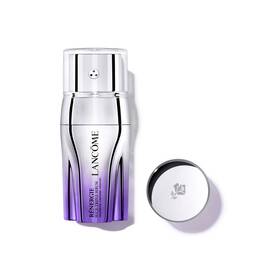
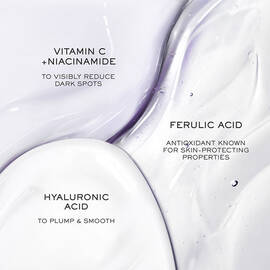
Rénergie H.C.F. Triple Serum
ANTI-AGING FACE SERUM FORMULATED WITH HYALURONIC ACID, VITAMIN C + NIACINIMADE & FERULIC ACID


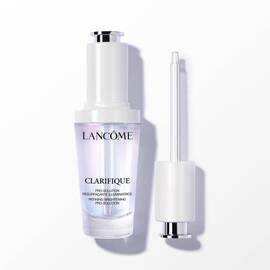
Clarifique Clarifying Serum
PRO-SOLUTION BRIGHTENING SERUM FORMULATED WITH PURE NIACINAMIDE


